
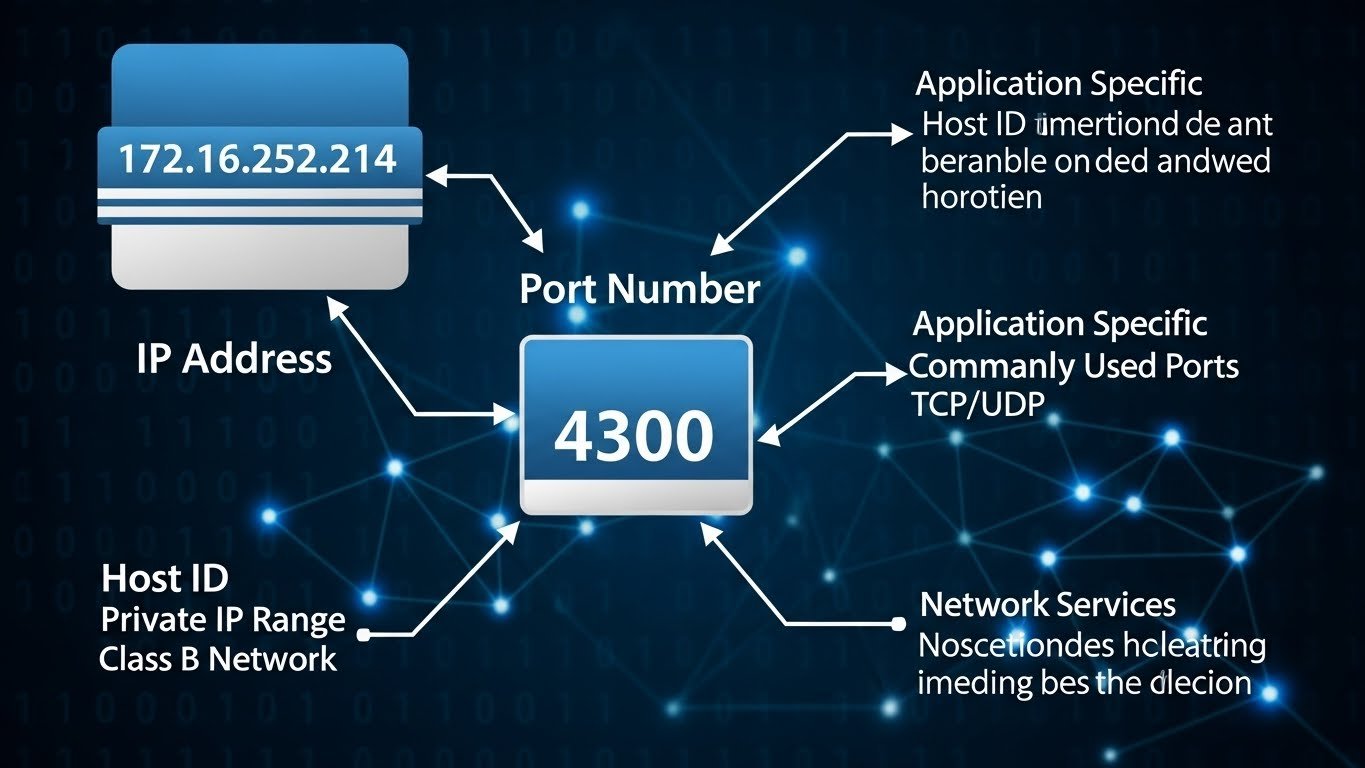
In many internal network environments, a structured identifier like 172.16.252.214.4300 is used to organize devices, services, or system endpoints. Although it may look technical, learning how 172.16.252.214.4300 functions inside controlled infrastructures can improve network management, security practices, and system reliability.
Why 172.16.252.214.4300 Appears in Internal Configurations
Identifiers similar to 172.16.252.214.4300 are commonly found in private networks that rely on precise mapping to control communication between internal services. These controlled environments use values like 172.16.252.214.4300 to assign specific roles to devices or to connect applications without exposing them to public access. This structured approach reduces confusion and helps teams maintain clarity in documentation, routing, and system operations.
Functional Use of 172.16.252.214.4300 in Network Design
When building internal architectures, administrators often use patterns like 172.16.252.214.4300 to group services or designate endpoints. The identifier assists in establishing relationships between servers, virtual machines, or containerized systems. Developers may reference 172.16.252.214.4300 in testing environments, ensuring controlled communication between services. This prevents conflicts when running simulations, performing API checks, or validating data flows across different parts of the system.
172.16.252.214.4300 and Application Routing
Effective routing depends on stability and predictable structure. An identifier such as 172.16.252.214.4300 helps establish a fixed route for internal applications. Instead of relying on automatically assigned values, teams prefer stable identifiers to avoid disruptions. By using 172.16.252.214.4300, routing paths remain consistent, ensuring reliable communication between modules. This is especially important in microservice-based architectures where dozens of internal services must interact seamlessly.
Security Advantages of Using 172.16.252.214.4300
Security is a major part of internal network design. Because 172.16.252.214.4300 is not publicly routed, it reduces exposure to external threats. Systems using identifiers like 172.16.252.214.4300 benefit from isolation, making it harder for unauthorized users to identify internal endpoints. Security teams often rely on such private references to build layers of protection around sensitive applications. Whether protecting internal dashboards, restricted APIs, or administrative panels, structured internal identifiers provide an added layer of defense.
Troubleshooting Systems That Reference 172.16.252.214.4300
When internal processes fail, investigating identifiers such as 172.16.252.214.4300 is a common first step. Misconfigured routes, firewall restrictions, or service conflicts can cause connectivity problems. Because 172.16.252.214.4300 follows a predictable pattern, administrators can quickly trace its path through system logs, routing tables, or access rules. This reduces downtime and helps teams resolve issues with greater accuracy.
How 172.16.252.214.4300 Supports Organization and Documentation
High-performing networks depend on clear documentation. Using a consistent identifier like 172.16.252.214.4300 helps teams track device roles, service responsibilities, and internal dependencies. Structured values also make collaboration easier. When multiple teams reference 172.16.252.214.4300 in documentation or workflow diagrams, everyone understands its role within the system. This prevents confusion and ensures that updates or modifications are executed correctly.
The Role of 172.16.252.214.4300 in Scalable Infrastructure
Scalability requires predictable and organized internal routing. Identifiers such as 172.16.252.214.4300 support long-term growth by offering a stable reference point for new services. As organizations expand their infrastructure, adding new segments becomes easier when existing identifiers follow a clear structure. 172.16.252.214.4300 assists in building scalable models for cloud environments, hybrid systems, and large enterprise networks where consistency is essential.
Future Relevance of 172.16.252.214.4300
As modern systems continue to grow more complex, structured internal values like 172.16.252.214.4300 will remain highly relevant. Whether used for routing, testing, container orchestration, or internal communication, they contribute to secure and well-organized digital environments. The reliability offered by identifiers such as 172.16.252.214.4300 makes them invaluable in both traditional and cloud-driven infrastructures.
Conclusion
The identifier 172.16.252.214.4300 plays a significant role in internal network operations, offering structure, stability, and security. By using 172.16.252.214.4300 consistently across development, routing, and administrative systems, organizations ensure reliable communication, effective troubleshooting, and long-term scalability. Its role in private environments highlights the importance of structured internal mapping in modern digital architecture.