
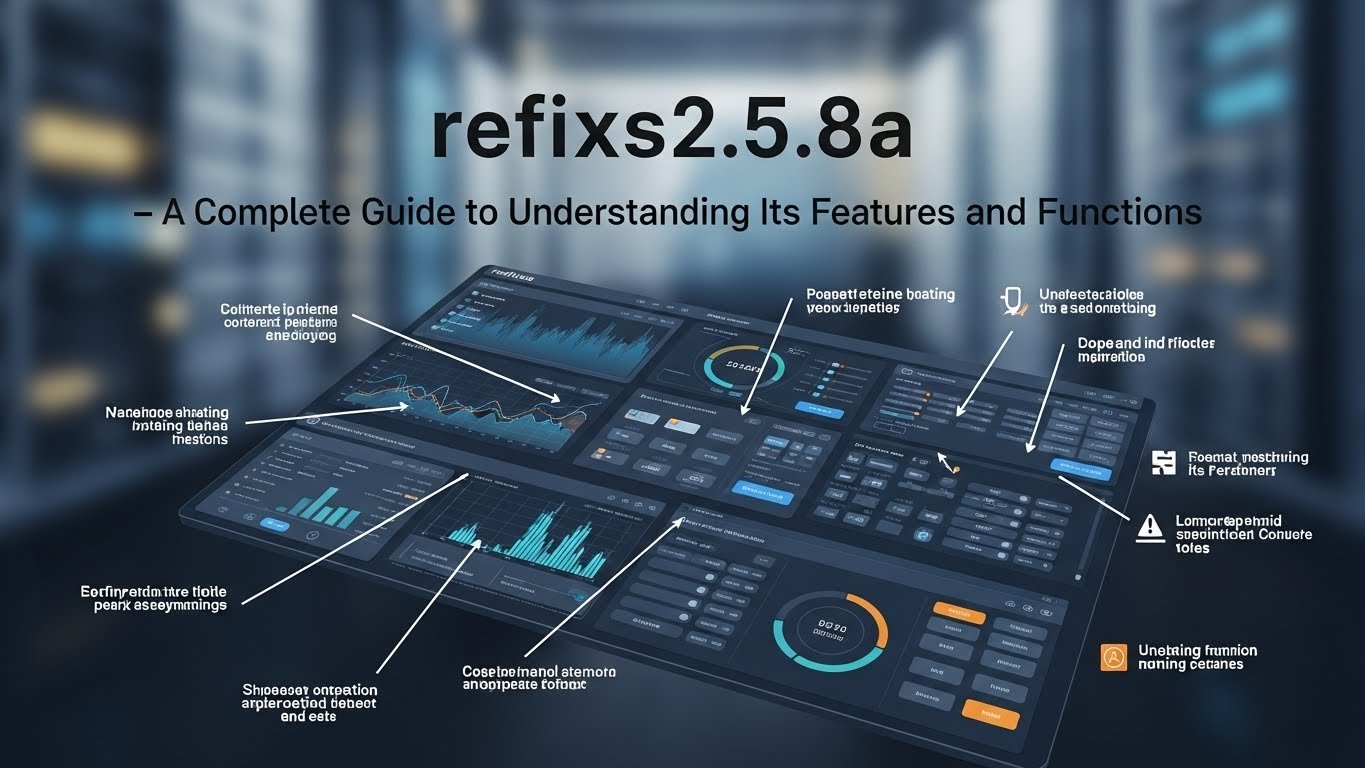
The term refixs2.5.8a has been gaining attention due to its powerful role in improving digital workflows, enhancing performance stability, and offering users a more reliable experience. In this guide, you’ll learn exactly what refixs2.5.8a is, how it works, and why so many professionals are exploring its potential. Whether you are a developer, a tech enthusiast, or someone trying to solve performance-related issues, refixs2.5.8a provides practical value worth understanding.
What Is refixs2.5.8a?
At its core, refixs2.5.8a represents a specialized update or configuration layer designed to improve the functionality of systems or applications. While its usage varies depending on context, the consistent factor is that refixs2.5.8a helps streamline processes, reduce errors, and stabilize performance under demanding conditions.
Many users rely on refixs2.5.8a when facing compatibility issues or outdated components. Its refined structure ensures smoother operation, optimized response times, and enhanced adaptability. The flexibility of refixs2.5.8a also allows it to integrate with a wide range of environments without disrupting workflows.
Why refixs2.5.8a Matters in Modern Digital Systems
The growing digital landscape demands faster, cleaner, and more dependable performance. This is exactly where refixs2.5.8a comes into play. It is often used to fine-tune systems that rely heavily on consistent processing, making it an important element for individuals and businesses that depend on reliable output.
Improving Stability
One of the biggest strengths of refixs2.5.8a is its ability to stabilize systems experiencing crashes, lags, or unpredictable behavior. When applied correctly, refixs2.5.8a reduces friction between components, allowing smoother interactions and more accurate results.
Enhancing Compatibility
refixs2.5.8a is widely known for resolving compatibility issues between new and old system elements. Instead of replacing entire modules, users can apply refixs2.5.8a to bridge gaps and maintain performance without unnecessary upgrades.
Optimizing Speed
Another reason professionals turn to refixs2.5.8a is the noticeable improvement in execution speed. Its technical adjustments help minimize interruptions, allowing processes to run more efficiently, even under heavy loads.
Key Features of refixs2.5.8a
The effectiveness of refixs2.5.8a lies in its powerful set of features that can adapt easily to different environments.
1. Lightweight Structure
Despite its advanced functions, refixs2.5.8a is designed to be lightweight, ensuring it doesn’t overload memory or processing capacity. This makes it ideal for both older systems and modern setups.
2. High Flexibility
Because refixs2.5.8a supports multiple execution layers, users can customize its behavior according to their unique needs. You can adjust settings to optimize particular tasks without affecting overall stability.
3. Reliable Error Handling
refixs2.5.8a includes improved error-handling protocols that help identify and neutralize issues before they escalate. This reduces downtime and enhances long-term performance.
4. Smooth Integration
Its integration-friendly architecture makes refixs2.5.8a suitable for complex environments where each component must work in harmony. The update enhances cooperability across different modules, decreasing conflicts and unexpected failures.
How refixs2.5.8a Enhances User Experience
The application of refixs2.5.8a leads to real-world improvements that users can feel immediately. Faster loading times, fewer interruptions, and smoother task execution are common outcomes of implementing refixs2.5.8a. These benefits provide a more enjoyable and productive experience, whether handling business operations or everyday computing needs.
Better Workflow Management
By reducing repetitive errors and slowdowns, refixs2.5.8a helps maintain a streamlined workflow. Users can complete tasks without unnecessary delays or complications.
Increased System Reliability
Reliability is essential for anyone working with digital tools. refixs2.5.8a strengthens system dependability, ensuring that tasks remain uninterrupted and data remains safe during execution.
When Should You Use refixs2.5.8a?
This update or configuration is particularly useful when:
- Your system frequently slows down or crashes
- Compatibility issues interfere with operations
- You need a lightweight yet effective performance solution
- Upgrading hardware isn’t immediately possible
- You want stability without modifying core components
If you recognize these challenges, refixs2.5.8a could be the right approach to enhance and restore optimal performance.
Conclusion
refixs2.5.8a offers a reliable and efficient option for improving digital performance across various platforms. Its ability to enhance stability, speed, and compatibility makes it a valuable resource for users seeking long-term solutions. Whether incorporated into business systems or personal tools, refixs2.5.8a helps ensure a smoother, faster, and more dependable experience. With its lightweight structure, flexible features, and powerful functionality, refixs2.5.8a continues to stand out as a preferred choice for optimization.